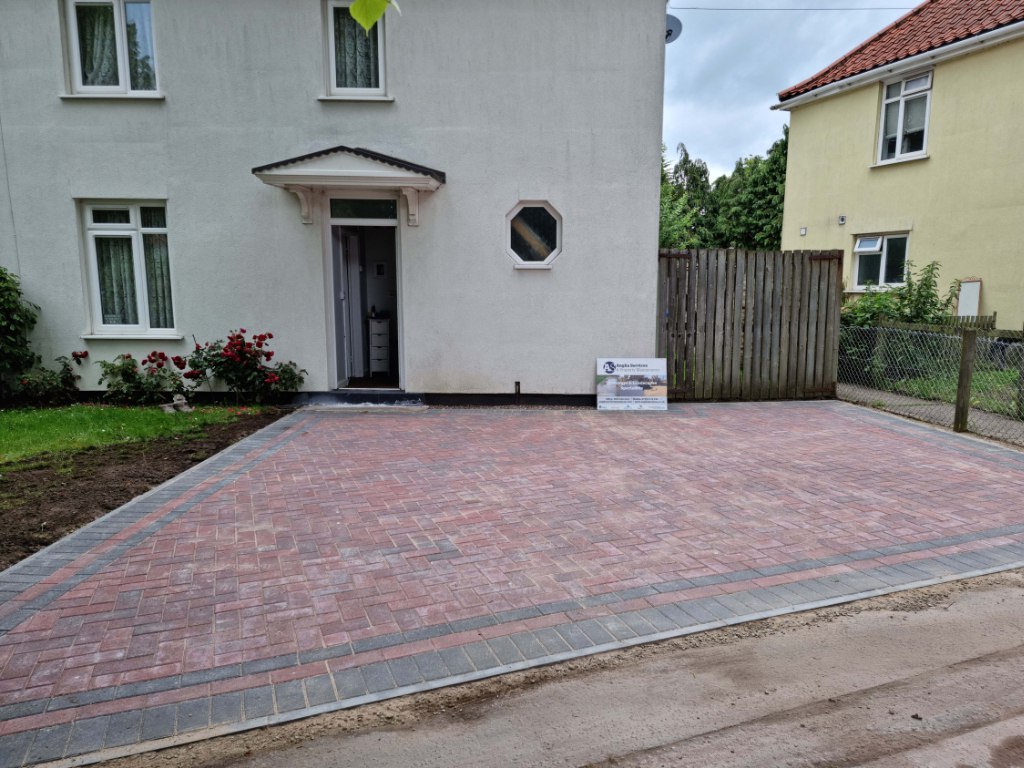
Roadway Tarmac Surfacing: Building Strong and Long-Lasting Roads
Roadways need a durable, reliable surface that can cope with regular traffic, changing weather conditions and ongoing everyday use. Tarmac is a widely used surfacing material because it creates a smooth, practical finish when installed over a properly prepared foundation. For private roads, access routes and other traffic areas, the quality of the surfacing work plays an important role in long-term performance.
For property owners and site managers in Dover, Kent, choosing the right roadway surfacing solution involves considering traffic levels, ground conditions, drainage and the condition of the existing surface. Professional installation helps ensure that these factors are addressed from the outset, creating a roadway designed to remain functional and dependable.
Why Tarmac Is Used for Roadway Surfacing
Tarmac provides a continuous, relatively smooth surface that supports vehicle movement and helps create a consistent driving experience. Its flexibility and durability make it suitable for a range of roadway applications, provided the materials and construction methods are appropriate for the expected traffic.
A properly laid tarmac surface can also help improve the appearance of a roadway by replacing worn, uneven or deteriorating areas with a more uniform finish. This can be particularly useful for access roads and private routes that experience frequent vehicle movements.
However, the performance of tarmac depends on more than the visible surface layer. The underlying construction must be strong enough to support the loads placed upon it. Selecting a suitable surfacing specification is therefore an important part of achieving a lasting result.
The Importance of Ground Preparation
Ground preparation is one of the most important stages of roadway tarmac surfacing. If the existing ground or foundation is weak, the finished surface may develop cracks, ruts or depressions as vehicles pass over it.
Before work begins, the condition of the existing roadway should be assessed. Damaged materials may need to be removed, unstable sections addressed and the underlying formation prepared to provide a suitable base.
A properly constructed sub-base helps distribute vehicle loads and supports the tarmac above it. The required depth and construction will depend on factors such as ground conditions, traffic volume and the type of vehicles using the roadway.
Careful preparation provides a more reliable foundation and reduces the risk of premature surface deterioration.
Drainage and Weather Resistance
Effective drainage is essential for keeping a roadway in good condition. Water that collects on the surface or penetrates weaknesses in the construction can contribute to damage, particularly when combined with repeated traffic.
A professionally planned roadway should have suitable gradients and drainage arrangements to direct rainwater away from the surface. The surrounding ground levels and existing drainage features also need to be considered so that water does not accumulate in low spots or flow into unsuitable areas.
In Dover, Kent, roadways must cope with changing weather throughout the year. Good drainage, appropriate materials and sound installation practices help the surface withstand normal exposure to rain and temperature changes.
Choosing the Right Tarmac Specification
Not every roadway has the same requirements. A lightly used private access road will generally experience different demands from a route regularly used by delivery vehicles or heavier traffic.
The surfacing specification should reflect how the roadway will be used. Factors such as expected vehicle loads, turning movements, braking areas and the condition of the foundation can influence the choice of materials and construction method.
The thickness and composition of the surface layers should be appropriate for these conditions. Using a suitable specification helps create a roadway that performs reliably rather than simply providing a fresh-looking finish.
An experienced surfacing contractor can assess the site and recommend an approach suited to the roadway’s intended use.
Recognising When Roadway Resurfacing Is Needed
Over time, traffic and weather can cause a roadway to deteriorate. Early signs may include surface cracking, loose material, shallow depressions, potholes or areas where water repeatedly collects.
Not every surface defect requires complete resurfacing. Localised repairs may be suitable where the surrounding surface and underlying foundation remain sound. More extensive deterioration, widespread cracking or recurring defects may indicate that a broader assessment is needed.
Identifying the cause of the damage is important. Simply covering a weakened area without addressing the underlying problem may lead to further deterioration. A professional inspection can help determine whether repairs, partial resurfacing or a more comprehensive reconstruction is appropriate.
Professional Roadway Tarmac Surfacing in Dover, Kent
A successful roadway project requires coordinated planning, suitable materials and careful workmanship. From assessing the existing surface to preparing the foundation, managing drainage and laying the tarmac, each stage contributes to the quality of the finished roadway.
Dover Driveways & Surfacing can help property owners and site managers consider suitable tarmac surfacing options for their roadway requirements in Dover, Kent. Taking the time to assess the site and its intended use helps ensure that the proposed work addresses practical needs as well as the condition of the existing surface.
Conclusion
Roadway tarmac surfacing offers a practical way to create smooth, durable roads and access routes when the construction is matched to the site’s requirements. Proper ground preparation, effective drainage and an appropriate material specification are essential for achieving long-term performance.
If you are planning a new roadway or considering improvements to an existing surface in Dover, Kent, contact Dover Driveways & Surfacing to discuss your project and arrange a professional assessment of your surfacing needs.
Call us on: 01304 796 895
Click here to find out more about Dover Driveways & Surfacing
Click here to complete our contact form and see how we can help with your driveways.