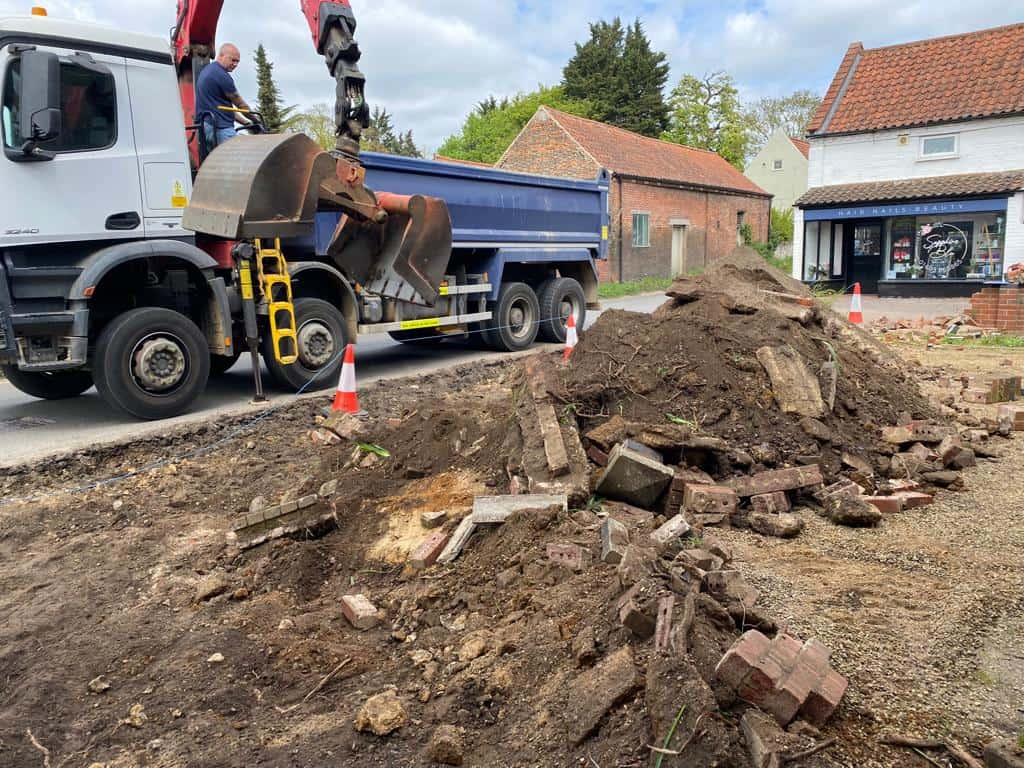
Planning Access Roads for Residential and Commercial Developments in Dover, Kent
Access roads play an essential role in the success of residential and commercial developments. They provide the routes needed for vehicles, pedestrians, deliveries and service access, so their design and construction must be carefully considered from the beginning. A poorly planned access road can lead to drainage problems, surface deterioration, restricted vehicle movement and ongoing maintenance difficulties.
For developers and property owners in Dover, Kent, effective planning means looking beyond the finished surface. The ground conditions, expected traffic, drainage requirements and intended use all influence how well an access road will perform over time. Dover Driveways & Surfacing provides surfacing solutions to help create practical, durable access routes suited to the needs of different developments.
Assessing the Purpose and Expected Traffic
The first step in planning an access road is understanding how it will be used. A residential development with regular car movements has different requirements from a commercial site that accommodates delivery vehicles, staff traffic and heavier transport.
Important considerations include:
- The number of vehicles expected to use the road.
- Whether larger vehicles need regular access.
- The frequency of deliveries and service visits.
- The amount of pedestrian movement.
- Whether emergency and maintenance vehicles require access.
These factors influence the road’s width, layout, construction and surface specification. Planning for actual usage helps avoid creating an access route that becomes difficult to navigate or deteriorates prematurely.
Choosing a Suitable Surfacing Material
The choice of surfacing material affects the appearance, durability and maintenance requirements of an access road. It should be selected according to the expected traffic, ground conditions and overall purpose of the development.
Tarmac and Asphalt Surfacing
Tarmac and asphalt are commonly considered for residential and commercial access roads because they provide a relatively smooth, continuous surface. When installed over a properly prepared foundation, they can accommodate regular vehicle movements and provide a neat, consistent finish.
The construction specification should reflect the expected traffic. Areas used by heavier vehicles may require a more substantial foundation and surfacing arrangement than a lightly used residential entrance.
Tar and Chip Surfacing
Tar and chip provides a more textured finish, created by applying a bitumen-based binder and covering it with stone chippings. It can be suitable for certain private access roads and developments where a natural-looking appearance is preferred.
Its suitability depends on the expected traffic, existing ground conditions and the required surface performance. A site assessment helps establish whether this option is appropriate.
Block Paving and Other Finishes
Block paving may be considered for selected entrance areas, pedestrian routes or spaces where a more decorative appearance is required. However, the construction method and suitability will depend on the intended use and loading requirements.
The most appropriate material is not necessarily the same across every part of a development. Different areas may benefit from different surfacing solutions.
Why Ground Preparation Matters
The strength of an access road depends heavily on the foundation beneath the visible surface. Even high-quality surfacing can fail prematurely if it is laid over unstable, poorly compacted or unsuitable ground.
Preparation may involve removing unsuitable material, establishing the required formation level, installing a suitable sub-base and compacting the layers correctly. The depth and specification should be determined by the ground conditions and the traffic the road is expected to carry.
Poor preparation can contribute to rutting, depressions, cracking and uneven surfaces. These defects may affect vehicle movement and allow water to collect, making the road increasingly difficult to maintain.
For developments in Dover, Kent, assessing the site before construction helps identify potential ground-related challenges and establish a suitable approach.
Planning Effective Drainage
Drainage is one of the most important aspects of access road design. Rainwater that cannot drain away properly may collect on the surface or penetrate beneath the construction layers, weakening the road over time.
The finished surface should be designed with appropriate falls so that water moves towards suitable drainage points. Depending on the layout, this may involve drainage channels, gullies or other suitable systems.
Drainage planning should also consider where collected water will be directed. Simply moving water away from one section of the road is not enough if it creates pooling elsewhere.
Good drainage helps protect the surfacing, reduce standing water and maintain safer access during wet weather.
Designing for Vehicle Movement and Accessibility
An access road should allow vehicles to enter, leave and move around the development without unnecessary difficulty. Turning areas, junctions, gradients and visibility should all be considered during the planning stage.
Residential developments need convenient access for residents and visitors, while commercial sites may require sufficient space for deliveries and vehicle manoeuvres. Narrow sections or poorly positioned turning areas can create congestion and make routine access more difficult.
Pedestrian routes should also be considered, particularly where people will regularly walk alongside vehicle traffic. A clearly planned layout helps make the development more practical for everyone using it.
Allowing for Future Maintenance
Even a well-constructed access road will experience gradual wear through traffic and weather exposure. Planning for maintenance from the outset can help preserve the surface and reduce the likelihood of widespread deterioration.
Regular inspections can identify early signs of damage, including cracks, loose surface material, potholes, drainage blockages and areas where water is collecting. Addressing these problems promptly can help prevent them from affecting larger sections of the road.
The choice of surfacing and construction method should therefore consider not only initial performance but also how the road can be maintained throughout its service life.
Professional Access Road Surfacing in Dover
Planning a reliable access road requires a coordinated approach to ground preparation, surfacing, drainage and the practical needs of the development. Each element contributes to the performance of the finished route.
Dover Driveways & Surfacing provides surfacing services for residential and commercial projects, helping property owners and developers consider suitable solutions for their access requirements. Whether you are planning a new access road or improving an existing surface, professional advice can help establish an approach suited to the site.
Conclusion
Well-planned access roads provide dependable routes for residents, visitors, deliveries and commercial vehicles. Careful consideration of traffic levels, surfacing materials, ground preparation, drainage and future maintenance helps create a road that remains practical over time.
For residential and commercial developments in Dover, Kent, getting these details right from the beginning can make a significant difference to the finished result. If you are planning a new access road or need to upgrade an existing one, contact Dover Driveways & Surfacing to discuss your project and arrange an assessment.
Call us on: 01304 796 895
Click here to find out more about Dover Driveways & Surfacing
Click here to complete our contact form and see how we can help with your driveways.